
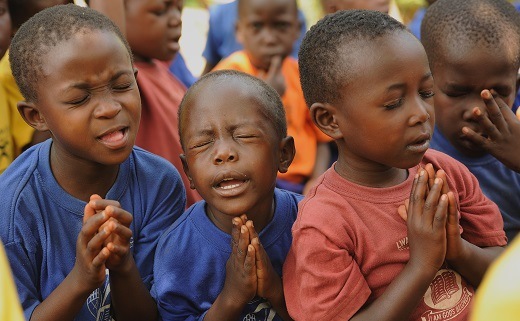
Education is one of the surest ways out of poverty. A child who learns to read, think and build skills can change the future of a family, a village and a nation. Educational Support is one of the core causes of Crown of Zion Lumina’s Care. Our aim is to make sure that children in Ugandan villages, especially the poorest and most vulnerable, can enrol in school, stay in school and learn well.


Education is the single most powerful tool for breaking the cycle of intergenerational poverty. The Education Support Programme at Crown of Zion Lumina’s Care is dedicated to removing the socio-economic barriers that keep vulnerable children out of the classroom. By combining material support with moral and academic guidance, we ensure that vulnerable children not only enroll in school but also possess the tools and confidence required to stay, perform, and thrive.
Service Quality
This programme works on three fronts at once: access (getting children into school), quality (making sure they actually learn), and opportunity (giving young people and adults skills for life and livelihood).
- School Fees Support
- School Uniforms
- Shoes
- Books and Scholastic Materials
- School Supplies
- Educational Mentorship
- Academic Support
- Easy and Effective School Management
- Collaboration with Local Schools
- Best Quality Vocational Support
- Skill-Based Enhancement

Uganda has Universal Primary Education (UPE) and Universal Secondary Education (USE), which have brought many more children into classrooms. Yet in many villages, real barriers remain
Why this Cause Matters in Ntungamo?
Hidden costs. Even where tuition is free, families still struggle to afford uniforms, exercise books, pens, school bags, shoes, exam fees, and in some schools contributions for lunch or development.
Hunger. Children who come to school without eating find it hard to concentrate, and many drop out or stay home. (This links directly to our Food and Nutrition programme.)
Dropout, especially among girls. Early pregnancy, early marriage, household chores, and lack of sanitary pads and private toilets cause many girls to leave school.
Weak early-grade reading. Many pupils reach upper primary without reading fluently in any language, which holds back all later learning.
Poor school facilities. Overcrowded classrooms, too few desks, few textbooks, no libraries, inadequate latrines and limited clean water.
Long distances and weak parental engagement. Children may walk many kilometres to school, and some parents, particularly those who did not attend school themselves, do not see how they can support their children’s learning.
Limited pathways after school. Many youths leave without marketable skills and no way to continue studying.
These are problems a village can solve, step by step, when families, teachers, leaders and supporters work together.